Every Protocol I Build Starts With Your Genetics. Here’s Why.
There is a reason the same Hashimoto’s protocol works brilliantly for one woman and does nothing for another. It is not compliance and no, it is not effort. The answer lies in your genetics.
We rarely consider how our DNA affects our thyroid, immune system, or nutritional status — but in my clinical experience I have seen it work miracles on cases that often remain unresponsive to medication, supplements or elimination diets. Your DNA literally determines whether you convert thyroid hormone efficiently. Your DNA determines how aggressively your immune system is wired to attack. And your DNA determines which supplements your body can actually absorb, which foods are genuinely inflammatory for you, and whether your detoxification pathways are equipped to handle the toxic burden many Hashimoto’s patients carry.
Without that foundation, every other recommendation — the supplements, the diets, the protocols — is at best just an educated guess. With it, every clinical decision becomes precise to what your body needs to return itself into balance.
The result is a Functional Medicine treatment that is built with precision for you — not borrowed from someone else’s case.
Thyroid Hormone Conversion
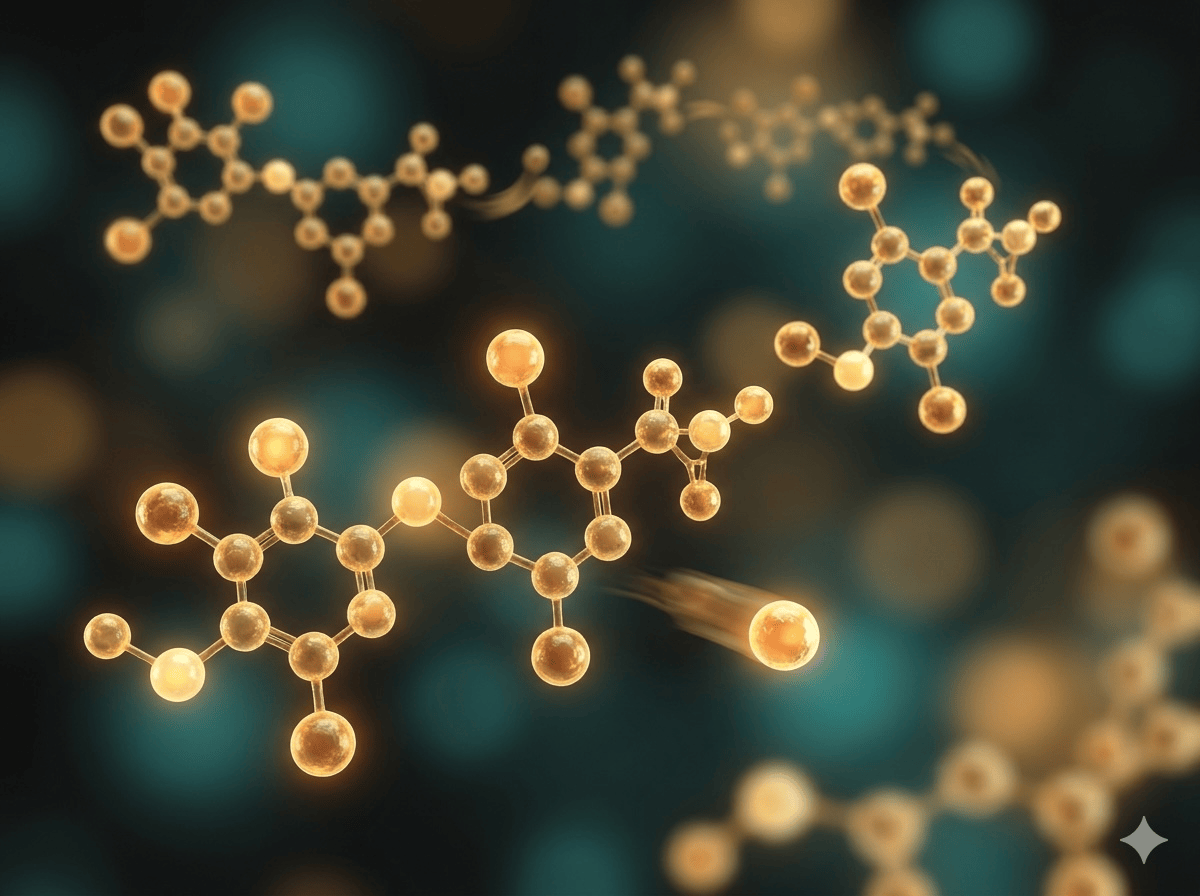
The DIO2 gene governs deiodinase enzyme activity — the mechanism that converts T4 (the inactive thyroid hormone in most medications) into T3, the active form your cells can use. A variant here is one of the most common explanations for why a patient’s TSH looks normal while they feel exhausted and unable to lose weight. Their medication is in their blood. Their cells cannot access it. This gene tells us whether that is happening in your body — and what to do about it.
Immune Regulation And Autoimmunity Predisposition
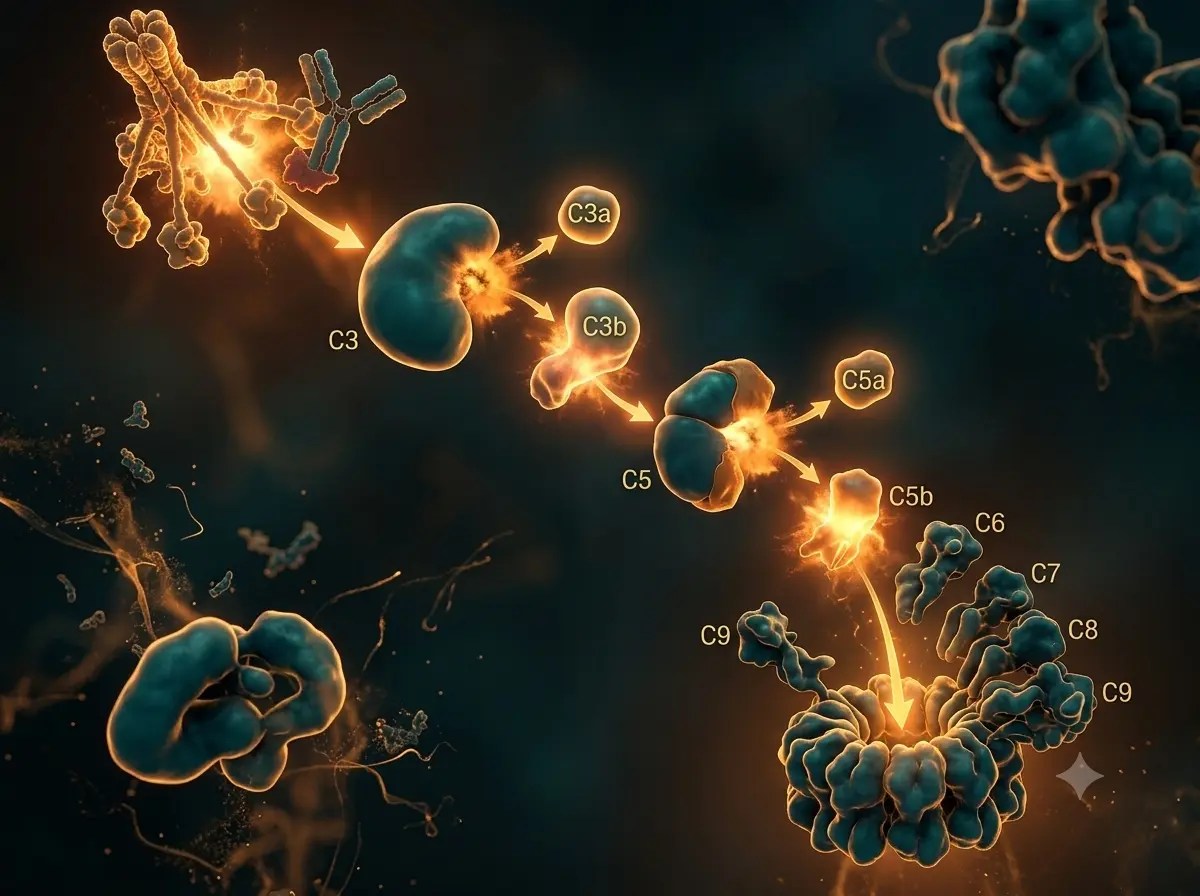
The HLA gene complex (specifically DQ2.5 and DQ8 variants) determines your genetic predisposition to autoimmune reactivity and gluten sensitivity — both directly linked to Hashimoto’s flares through a mechanism called molecular mimicry. TNF-alpha and IL-6 govern the inflammatory signaling that drives the autoimmune attack on your thyroid. Knowing your variants here tells us how your immune system is wired — and which interventions have the highest chance of calming it.
Nutrient Utilization — Why “Take Vitamin D and Selenium” Doesn’t Work for Everyone
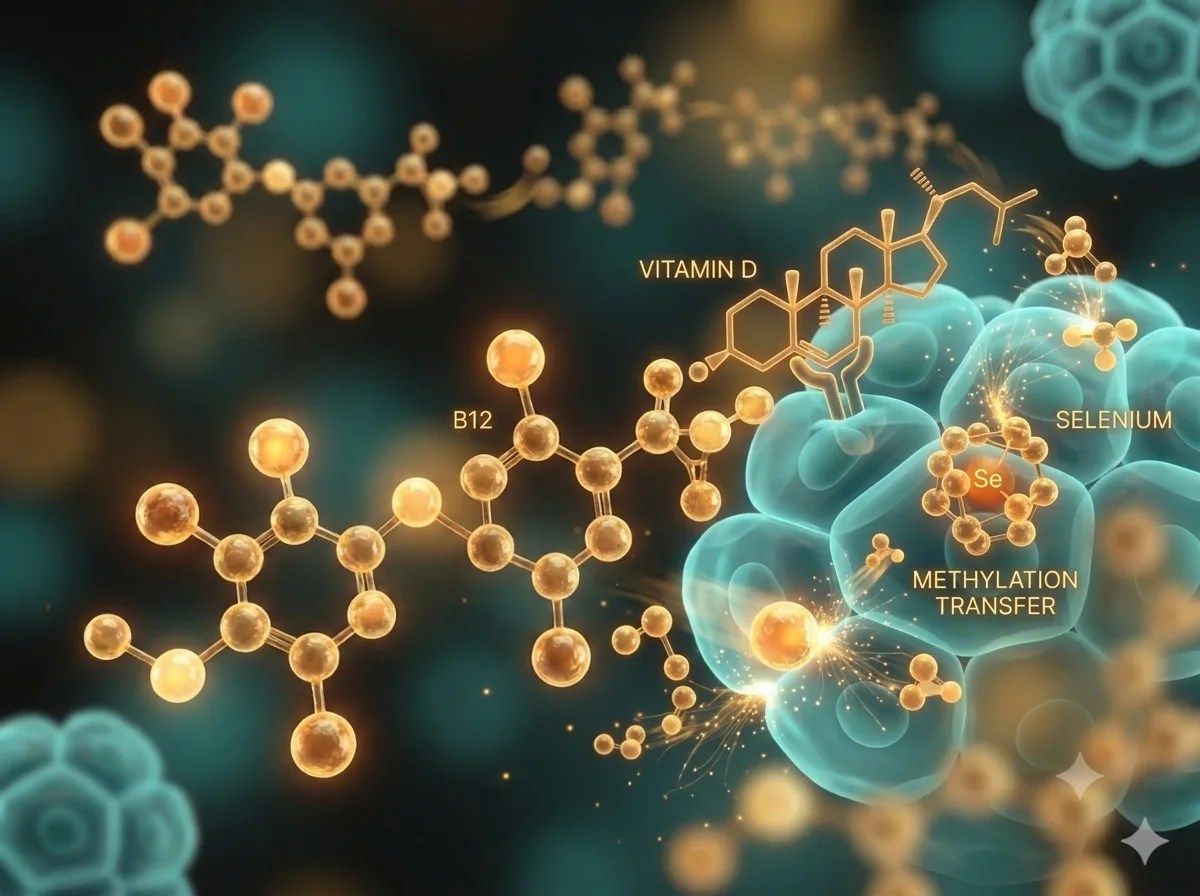
The VDR gene determines how well your body absorbs and activates vitamin D, a nutrient critical for immune regulation. GPX1 governs your selenium-dependent antioxidant capacity — one of the most important pathways for protecting thyroid tissue from oxidative damage. FADS1 and FADS2 determine how efficiently you process omega-3 fatty acids. These genes are the clinical reason why universal supplement recommendations fail a significant portion of Hashimoto’s patients: what your body can absorb, activate, and use is not the same as your neighbor’s.
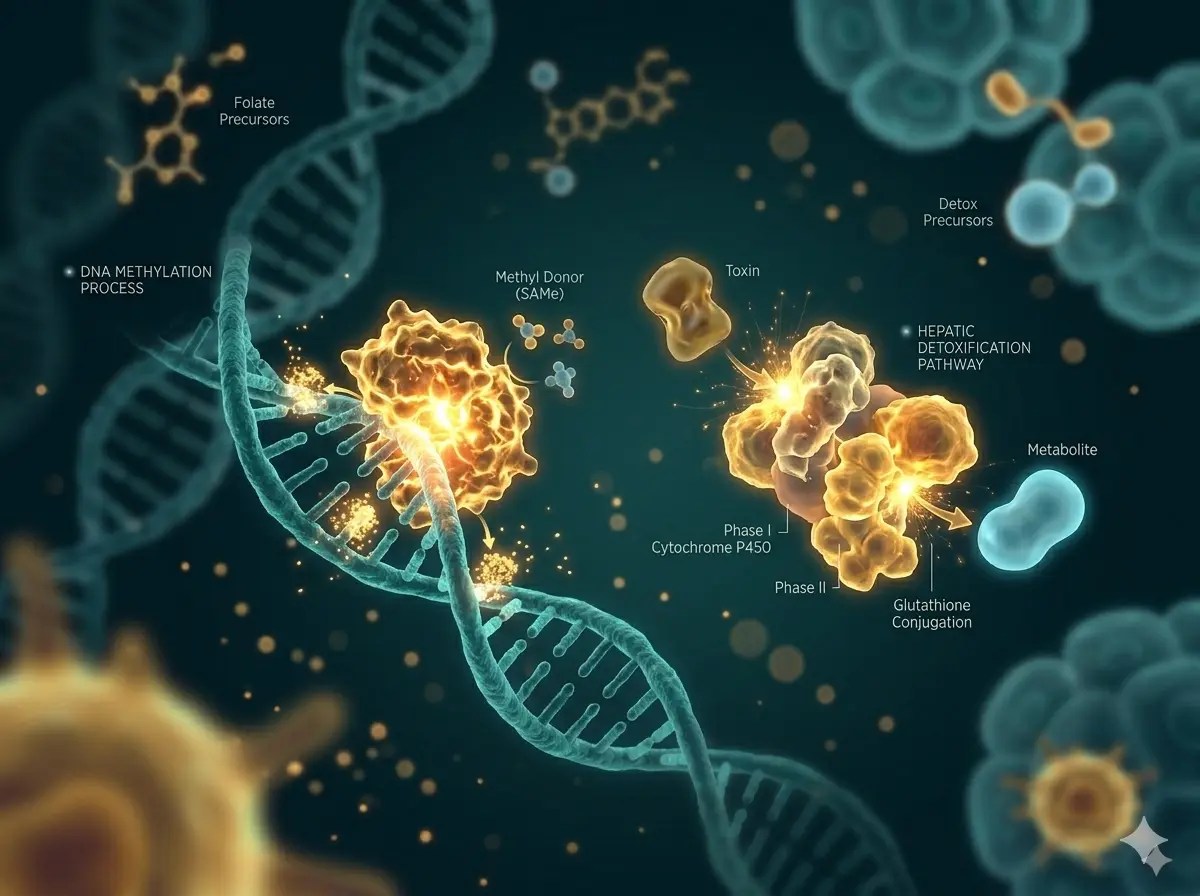
Methylation And Detoxification Pathways
MTHFR variants impair B vitamin metabolism, homocysteine processing, and downstream immune and inflammatory regulation. GST and CYP enzyme variants affect your detoxification capacity — which determines how well you clear the inflammatory burden that sustains autoimmune activity. When these pathways are compromised, standard interventions consistently underperform.
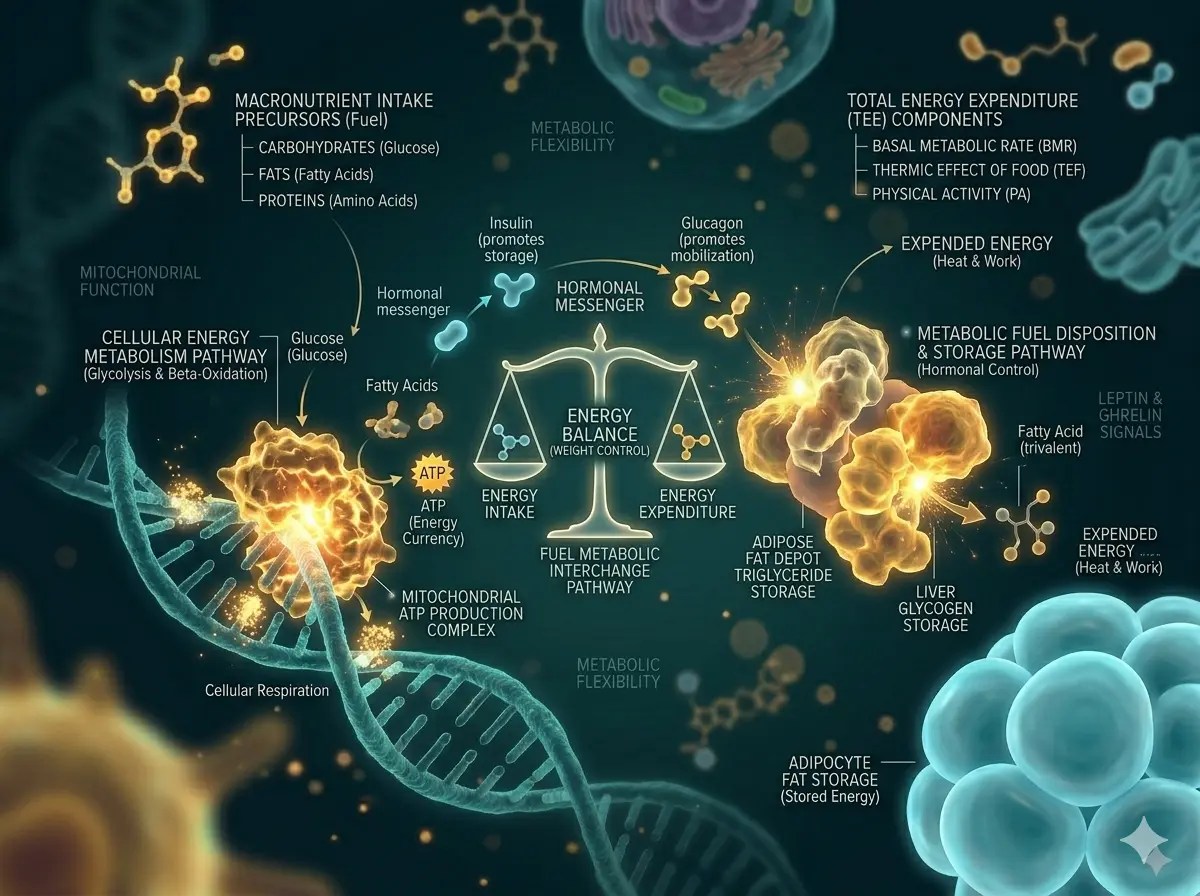
Weight And Metabolism
Variants in energy expenditure and metabolic gene pathways explain why many Hashimoto’s patients are genuinely unable to respond to standard dietary advice. This is not a willpower problem. It is a wiring problem — and knowing your wiring is the first step to working with it instead of against it. We’ll look closely at how your metabolism responds to exercise, food intake and your appetite/satiety cues, and even investigate adipogenesis (the process by which you store and release fat for energy).
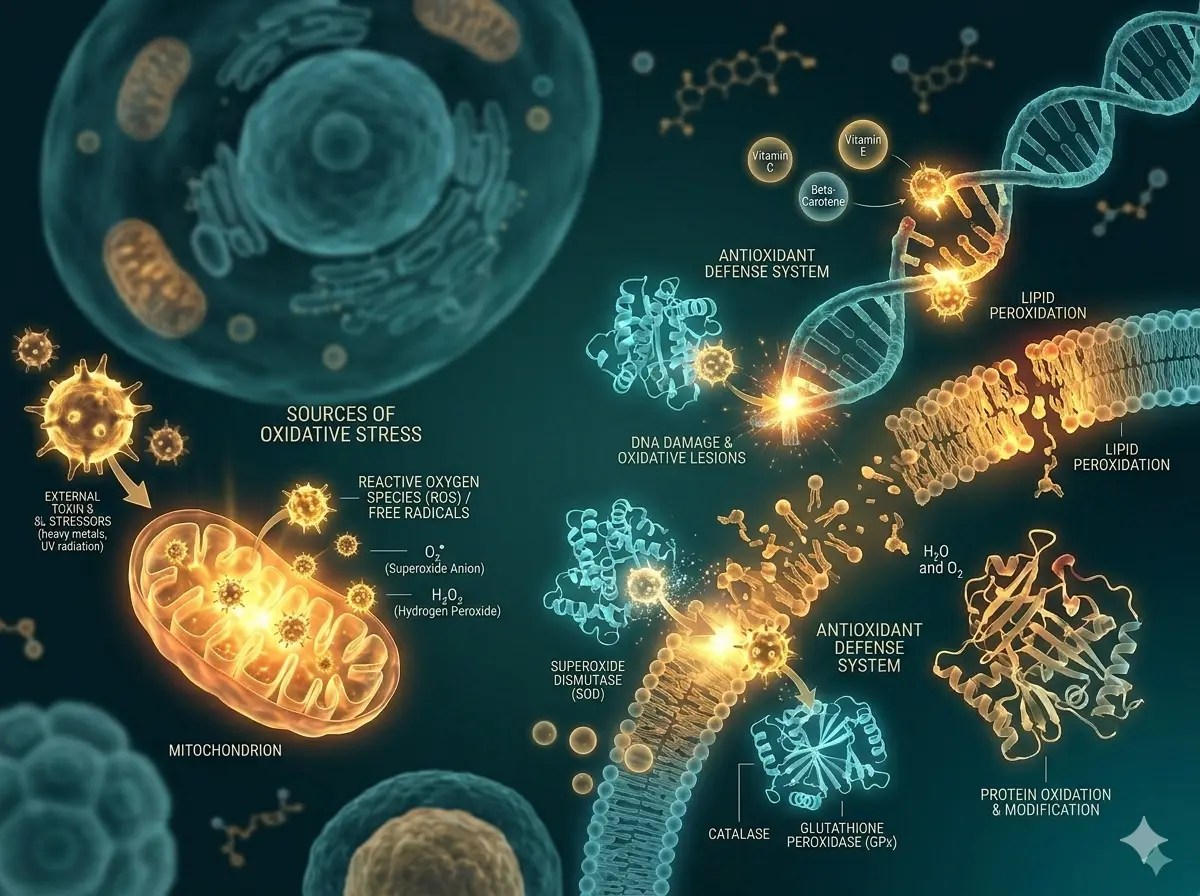
Oxidative Stress and Antioxidant Defense
SOD2 and GPX1 variants affect your mitochondrial protection and antioxidant capacity. In Hashimoto’s patients, compromised antioxidant defense means the thyroid is under a higher oxidative burden than the body can adequately protect against — a driver of both ongoing tissue damage and autoimmune progression.
Because Hashimoto’s Lives in Your Gut as Much as Your Thyroid
A significant proportion of T4-to-T3 thyroid hormone conversion happens in the gut. The gut mucosa is where your immune system is educated and regulated. Intestinal permeability — “leaky gut” — is one of the most well-established environmental triggers for autoimmune disease initiation. The gut assessment I use is among the most comprehensive stool analyses available today — not the limited panel your gastroenterologist runs with no actual plan.
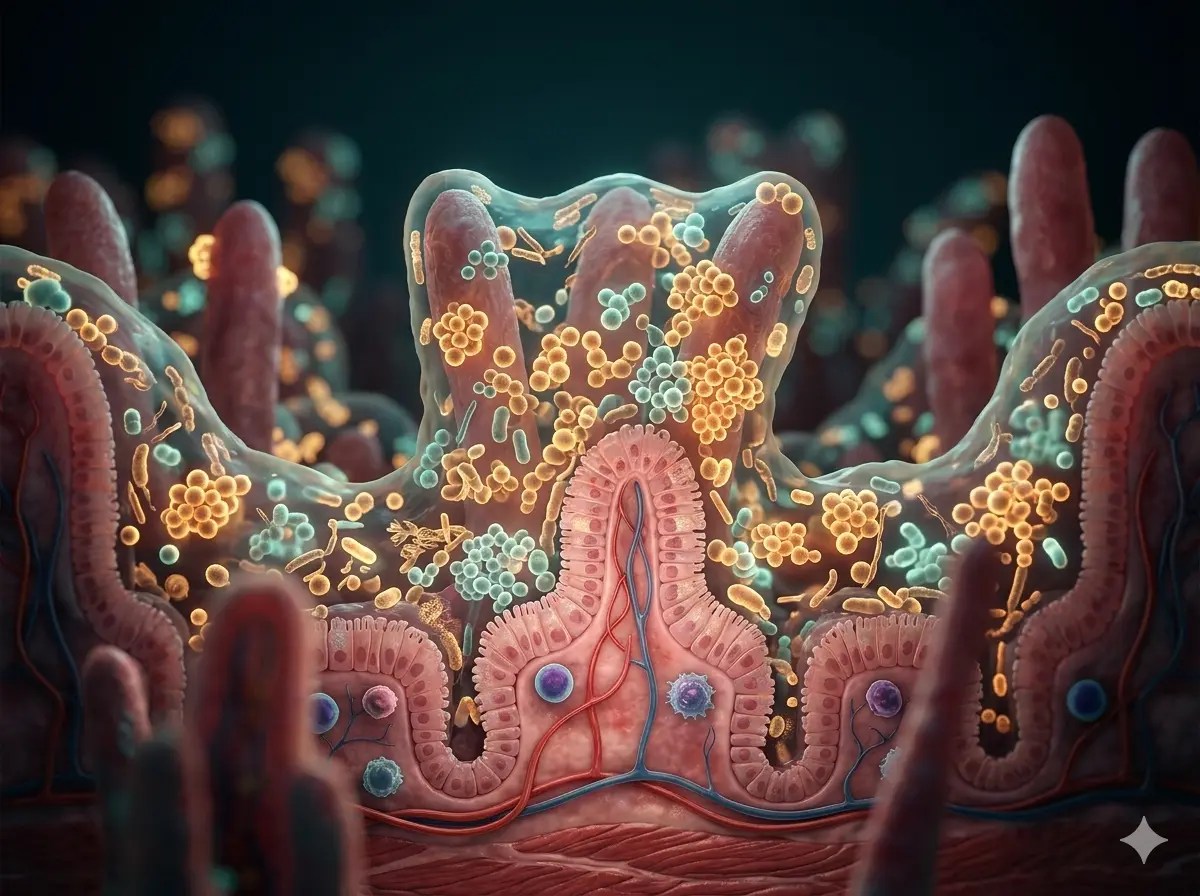
Commensal & Beneficial Organisms
A complete assessment of commensal and beneficial organisms, including Akkermansia muciniphila and Faecalibacterium prausnitzii — two keystone species with direct roles in immune regulation and gut barrier integrity — alongside Bifidobacterium and Lactobacillus species. Deficiencies here are consistently found in patients with autoimmune thyroid disease.
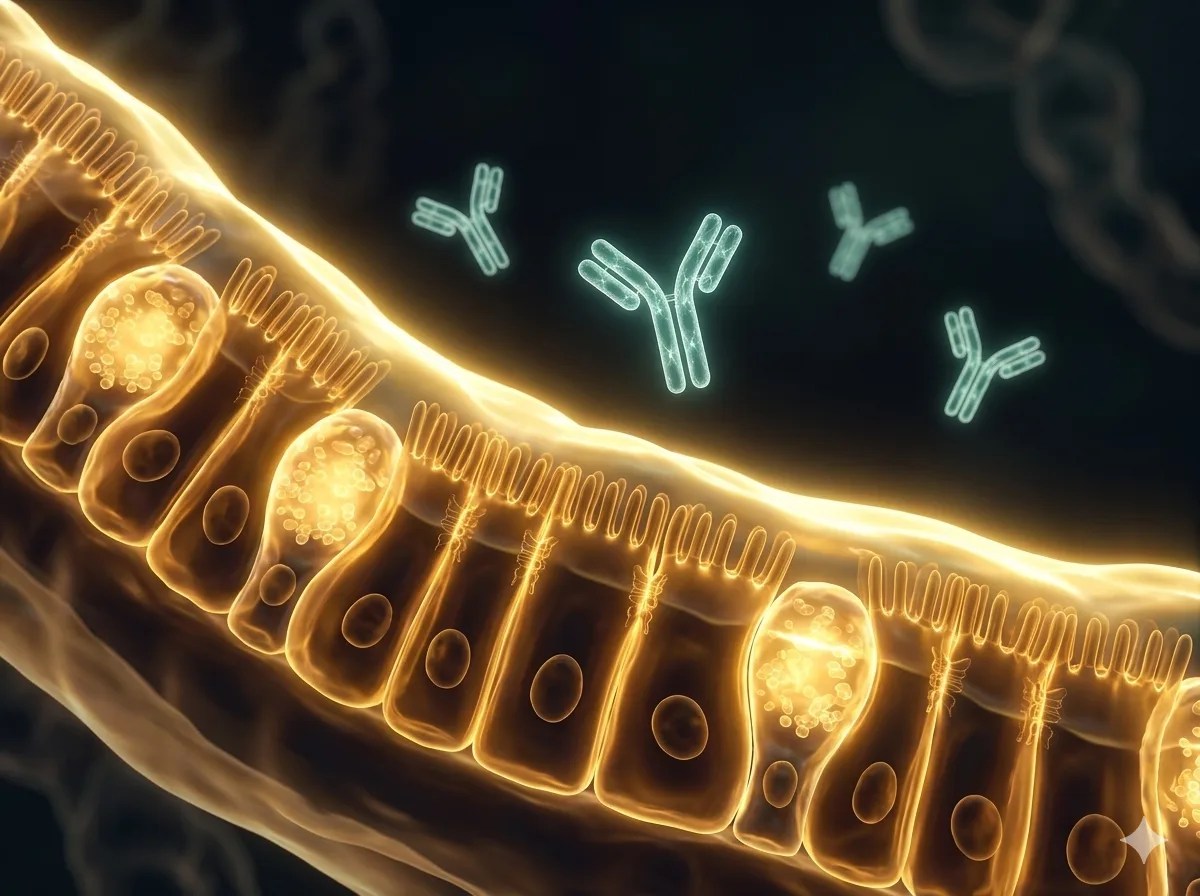
What’s Actively Disrupting Your Gut
Identification of opportunistic bacteria, H. pylori with full virulence factor profiling, parasitic organisms, and fungal overgrowth including Candida species — plus fecal calprotectin, a validated marker of intestinal inflammation. Elevated calprotectin in the context of Hashimoto’s tells us the gut immune system is in a state of active disruption.
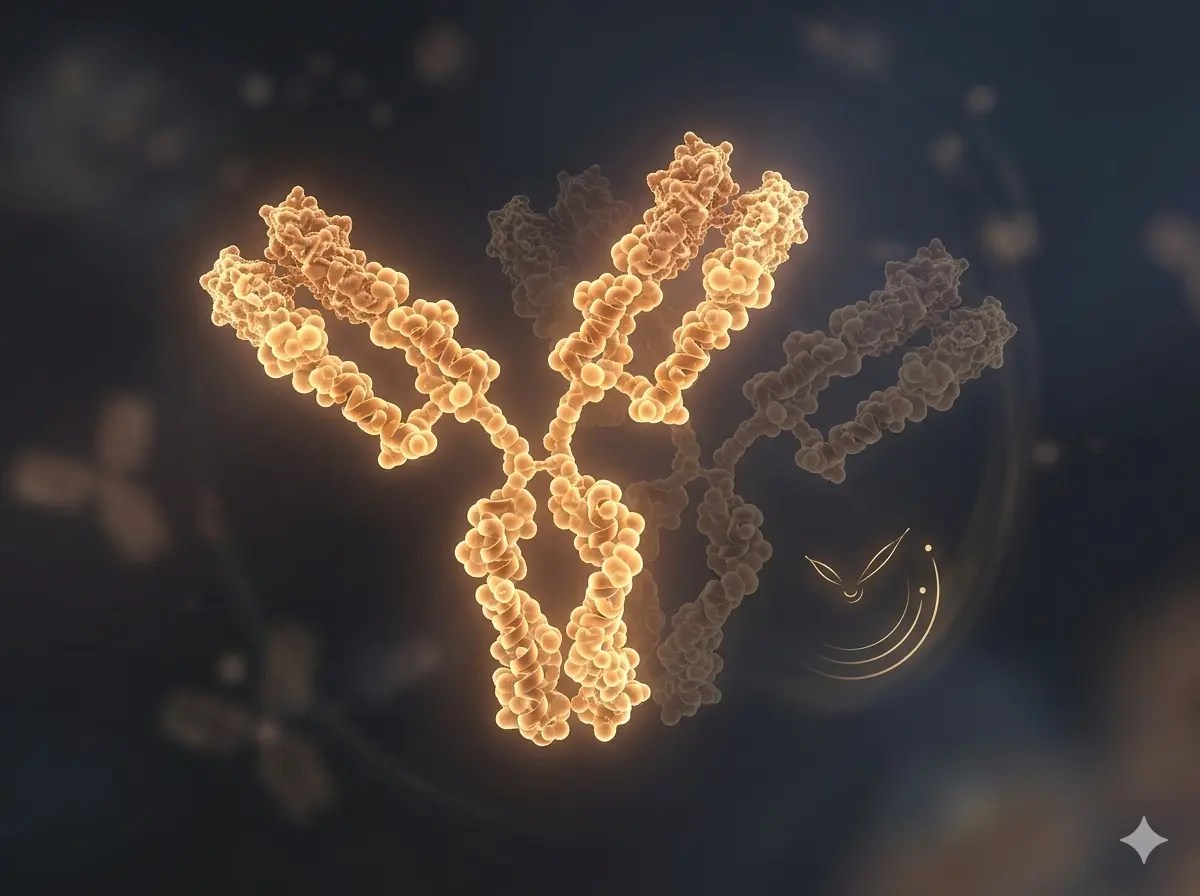
Secretory IgA (SIgA)
SIgA is the primary antibody secreted by the gut mucosa. Low SIgA indicates compromised mucosal immune function — a condition that predicts both increased intestinal permeability and impaired immune regulation upstream.
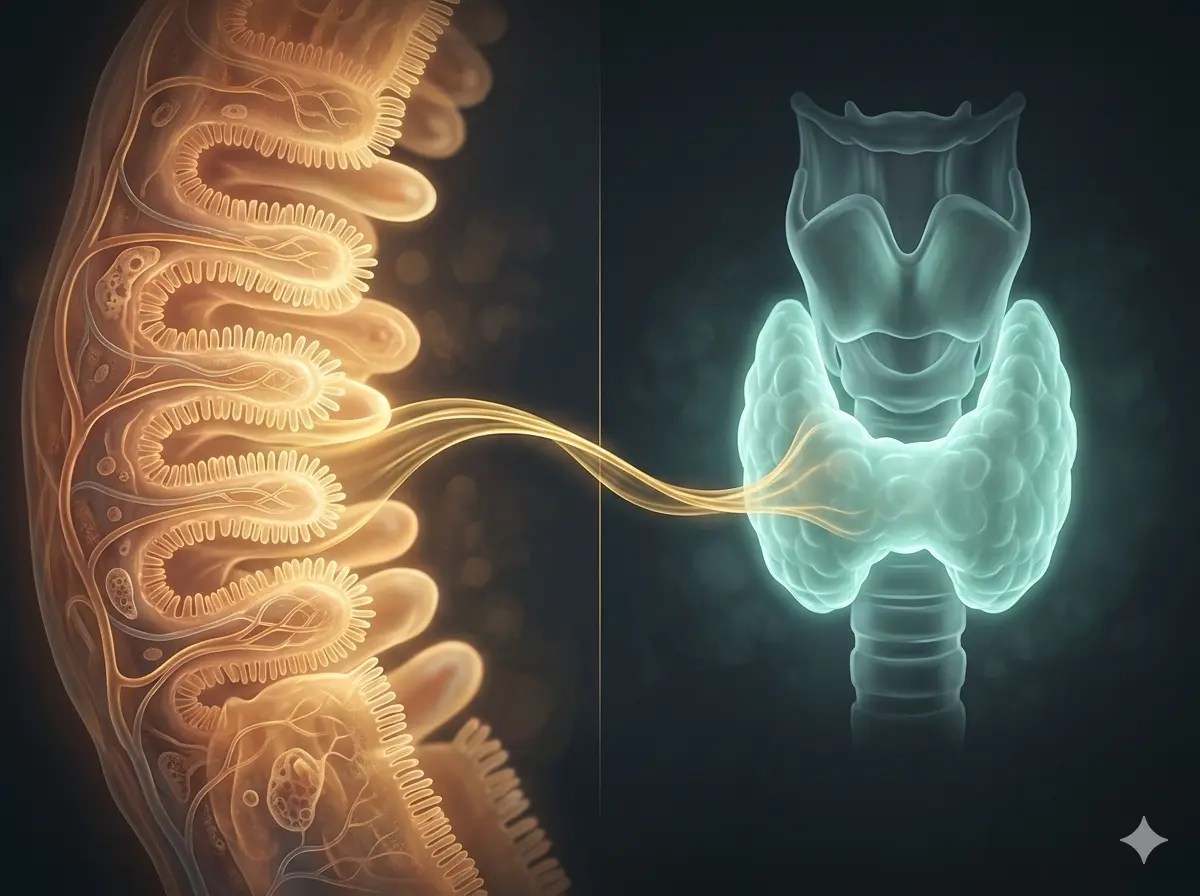
Pancreatic Elastase & Digestion Markers
In Hashimoto’s and hypothyroid patients, reduced digestive capacity directly drives the nutrient deficiencies — B12, iron, vitamin D, zinc, selenium — that impair immune function, thyroid hormone conversion, and antioxidant defense. This is how a gut problem becomes a thyroid problem becomes a treatment-resistant case.
Not What to Avoid. What Your Immune System Is Specifically Reacting To.
The panel I use assesses immune reactivity across 88+ foods through four distinct immune pathways — most food sensitivity tests measure only one. Different immune mechanisms drive different clinical presentations, and missing any one of them misses a driver of inflammation.
IgE — Immediate Hypersensitivity
Classic allergy-type immune responses — fast, recognizable, and often already known. Even subclinical IgE reactivity can contribute to systemic immune burden in Hashimoto’s.
IgG — Delayed Immune Reactivity
The pathway most responsible for the “I feel fine right now but terrible tomorrow” pattern. Delayed by hours to days, making it nearly impossible to identify without testing.
IgG4 — Chronic Immune Tolerance Disruption
Indicates chronic exposure to a specific food antigen — a pattern associated with immune tolerance breakdown and sustained low-level inflammation. Rarely tested, clinically significant.
C3 Complement — Innate Immune Activation
Involves the innate immune system and generates a more inflammatory response than IgG alone — explaining flares that persist despite following every standard elimination protocol.
Rather than eliminating entire food categories indefinitely, this test identifies specifically which foods generate immune reactivity — and at which level. That gives us a precise elimination strategy that targets the real drivers of your inflammation, and a roadmap for reintroduction that protects your microbiome diversity and your relationship with food.
Complete Thyroid Hormone Assessment
TSH, Free T3, Free T4, Total T3, Total T4, thyroid ratios and Reverse T3 — the full picture of what your thyroid is producing, what’s converting, and what’s blocking conversion.
Full Autoimmune Antibody Progress Panels
TPO antibodies, thyroglobulin antibodies, and TSH receptor binding antibodies for the complete picture of your autoimmune thyroid status — tracked over time to see whether the work is moving things in the right direction.
Thyroid Nutrition & Inflammation Panels
High-sensitivity CRP and ANA screening, selenium, zinc, vitamin D, ferritin, full iron studies, B12, folate, and magnesium — the nutrients your thyroid and immune system require, plus metabolic markers for full context.
Routine Progress Tracking
Once we’ve established your baseline, expect routine labs every 3–6 months to chart your progress — then transition into Success Maintenance Care, built around everything you’ve achieved.